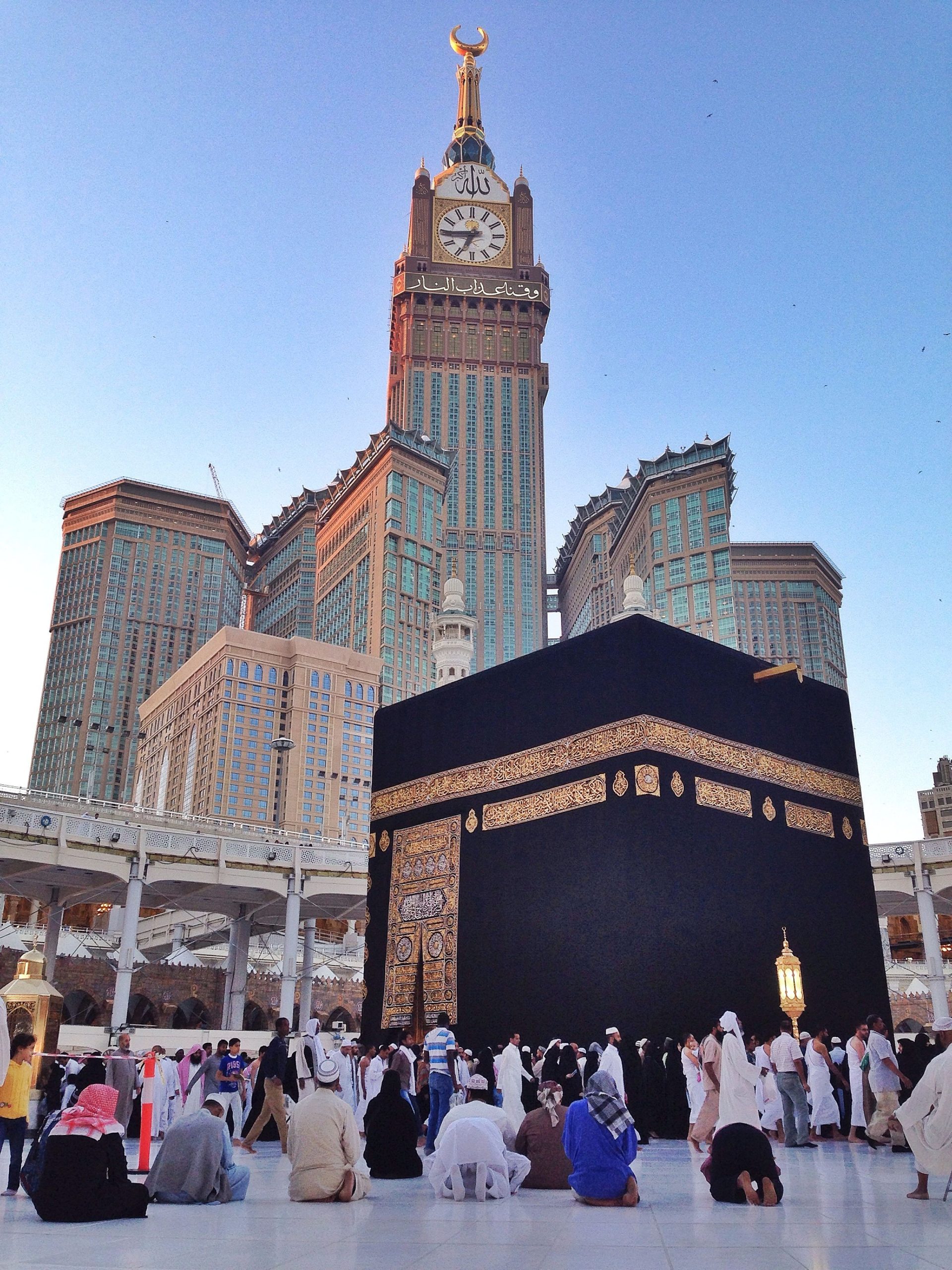
Mecca is home to numerous historical and religious landmarks, including Masjid al-Haram, the Kaaba, Mount Arafat, the Cave of Hira, and the birthplace of Prophet Muhammad, each central to Islamic spirituality and history.
Key Historical and Religious Sites
Masjid al-Haram and the Kaaba: The Great Mosque of Mecca, or Masjid al-Haram, is the holiest mosque in Islam. At its center lies the Kaaba, built by Prophet Ibrahim and his son Ismail, towards which Muslims pray worldwide. Pilgrims perform the Tawaf, circumambulating the Kaaba as a primary ritual of Umrah and Hajj .
Jabal al-Nour and the Cave of Hira: This mountain, also known as the Mountain of Light, houses the Cave of Hira. It is historically significant as the site where Prophet Muhammad received his first revelation from the Angel Gabriel, marking the beginning of the Qur’an’s revelation .
Mount Arafat (Jabal Rahmah): Situated near Mecca, Mount Arafat is pivotal to the Hajj pilgrimage. It is where Prophet Muhammad delivered his Farewell Sermon, emphasizing equality, justice, and unity among Muslims .
Masjid al-Taneem (Masjid e Aisha): The second-largest mosque in Mecca, used by pilgrims to assume Ihram for Umrah. It honors Aisha, the wife of Prophet Muhammad, and serves as an important historical and functional site during pilgrimages .
Maktaba Makkah-al-Mukarramah (Birthplace of Prophet Muhammad): Located near the Kaaba, this site marks the Prophet’s birthplace. It now hosts a library, preserving significant historical manuscripts and Islamic cultural heritage .
Jannat Al Mualla: An ancient cemetery housing the graves of Prophet Muhammad’s family and companions, including Khadijah bint Khuwaylid. It is a site of deep religious reverence .
Jabal Thawr and the Cave of Thawr: South of Mecca, this mountain conceals the cave where Prophet Muhammad and Abu Bakr sought refuge during their migration to Madinah. The site symbolizes trust in God and faith .
Masjid Al-Hudaibiyah: Marks the site of the Treaty of Hudaibiyah, a peace agreement between Prophet Muhammad and the Quraysh tribe. This mosque now serves as a historical landmark commemorating a critical moment in Islamic history .
Masjid Al-Nimrah: Located on the plains of Arafat, it is historically significant as the place where Prophet Muhammad delivered his final sermon before the Hajj prayers. The mosque accommodates hundreds of thousands of pilgrims .
Mina and Wadi Muhassir: Valleys important for Hajj rituals, including the symbolic stoning of pillars (Ramy al-Jamarat) and remembrance of divine interventions described in Islamic teachings .
Zamzam Well: Situated within Masjid al-Haram, this sacred well provides water with historical and spiritual significance, linked to the story of Hagar and her son Ishma’il .